Introduction to Cocktail Glassware
If you love cocktails glassware isn’t optional—it’s essential. You can follow the perfect recipe, use premium spirits, and garnish beautifully, but if the glass is wrong, the experience falls flat. Think of cocktail glassware as the stage where your drink performs. Without the right stage, even the best actor struggles to shine.
Why Glassware Is a Game-Changer
Glassware controls how a cocktail smells, tastes, and feels in your hand. It influences temperature, dilution, aroma delivery, and even how fast you drink. In short, it quietly decides whether your cocktail feels ordinary or unforgettable.
Glassware as a Silent Ingredient
Unlike spirits or mixers, glassware doesn’t show up in the recipe—but it still shapes the final result. It’s the silent ingredient most people forget, yet professionals never ignore.
The Role of Glassware in Cocktail Perfection
Aroma Enhancement
Most of what you taste comes from smell. Glasses with wide bowls release aromas, while narrow rims concentrate them. That’s why delicate and spirit-forward cocktails demand specific shapes.
Temperature Retention
Stems keep your hands from warming the drink. Thick bases slow ice melt. Tall glasses preserve carbonation. Every design choice serves a purpose.
Presentation and Experience
A well-served cocktail feels intentional. The right glass sets expectations before the first sip—and expectations shape enjoyment.
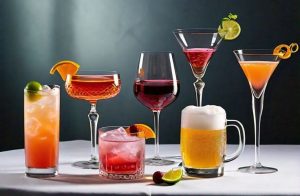
Core Cocktail Glassware for Every Home Bar
These are the non-negotiables. If you own nothing else, start here.
Old Fashioned (Rocks) Glass
Ideal Drinks and Capacity
Short, wide, and sturdy—usually holding 6–10 ounces. Designed for drinks served over ice or with minimal dilution.
Best for: Old Fashioned, Negroni, Whiskey Sour (on the rocks), straight spirits.
Highball Glass
Everyday Cocktail Use
Tall and simple, typically holding 10–14 ounces.
Best for: Gin & Tonic, Mojito, Vodka Soda, Rum & Coke.
This is the most versatile glass you can own.
Collins Glass
Highball vs Collins Explained
Similar to a highball but taller and narrower.
Best for: Tom Collins, Paloma, sparkling long drinks.
It keeps carbonation lively and drinks visually elegant.
Martini Glass
Strengths and Limitations
Iconic with a wide rim that enhances aroma, but easy to spill.
Best for: Martini, Cosmopolitan, Espresso Martini.
Elegant but demands steady hands.
Coupe Glass
Why It’s a Bartender Favorite
Shallower bowl, rounded edges, better balance.
Best for: Daiquiri, Sidecar, Manhattan (up).
Professionals prefer it for both style and practicality.
Speciality Cocktail Glassware Explained
Once you master the basics, these elevate your bar.
Nick and Nora Glass
Smaller, refined, and perfect for spirit-forward cocktails. Ideal when you want elegance without excess volume.
Margarita Glass
Wide rim designed for salt or sugar. Works best for classic and frozen margaritas.
Hurricane Glass
Curved and dramatic, made for tropical and blended cocktails like Piña Coladas and Hurricanes.
Tiki Glassware
Playful, decorative, and immersive. Enhances the experience of tropical and rum-based cocktails.
Mule Mug (Copper Cup)
Not glass, but essential. Keeps Moscow Mules ice-cold and boosts carbonation through thermal conductivity.
Champagne and Wine Glassware for Cocktails
Champagne Flute
Tall and narrow to preserve bubbles.
Best for: Mimosa, French 75, Bellini.
Champagne Coupe
Vintage charm but faster bubble loss. Best for short champagne cocktails.
Wine Glasses for Spritz Cocktails
Large wine glasses allow room for ice, citrus, and herbs.
Best for: Aperol Spritz, Hugo Spritz, Sangria.
Shot Glasses and Measuring Essentials
Standard Shot Glass
Typically 1–1.5 oz. Crucial for consistency and balance.
Double Shot and Tall Shooters
Used for layered shots or larger pours.
Why Measuring Matters
Guessing ruins cocktails. Precision keeps flavors balanced and repeatable.
Materials Used in Cocktail Glassware
Soda-Lime Glass
Affordable, durable, and common for everyday use.
Crystal Glass
Thinner, clearer, and enhances aroma and mouthfeel. Requires gentle handling.
Modern Durable Alternatives
Tritan and tempered glass offer break resistance for outdoor or party use.
Choosing Glassware Based on Cocktail Style
Spirit-Forward Cocktails
Small, inward-curving glasses concentrate aroma and control sipping.
Fizzy and Refreshing Cocktails
Tall glasses preserve carbonation and keep drinks lively.
Frozen and Blended Drinks
Large glasses allow room for ice, texture, and garnish.
Beginner vs Advanced Home Bar Setup
Minimal Starter Set
- Rocks glass
- Highball glass
- Coupe or martini glass
- Shot glass
This covers most cocktails.
Expanding Like a Pro
Add Collins, Nick and Nora, flutes, mule mugs, and specialty glasses over time.
Cleaning and Caring for Glassware
Washing Techniques
Hand-wash delicate glasses using warm water and mild soap.
Storage and Organization
Store upright, avoid stacking thin rims, use dividers if possible.
Avoiding Breakage
Dry immediately and handle by the bowl or stem—not the rim.
Common Glassware Mistakes
Wrong Glass Choices
Using the wrong glass affects aroma, temperature, and dilution.
Overfilling and Poor Ice Use
Each glass has a purpose—respect its capacity and ice compatibility.
Styling Your Home Bar with Glassware
Display Ideas
Open shelves, hanging racks, or glass cabinets add instant charm.
Matching Glassware to Bar Theme
Crystal for elegance, vintage cuts for nostalgia, tiki for fun.
Conclusion
Cocktail glassware isn’t just decoration—it’s a functional tool that defines how a drink looks, smells, and tastes. When you choose the right glass, every cocktail feels intentional and elevated. Build your collection thoughtfully, and you’ll notice the difference with every single sip.
You may also like : Glassware essentials